
Exploring the Multifaceted Benefits of Learning Music for Children in the North East

Many parents and carers think of music lessons simply as a way for children to learn an instrument. While mastering an instrument is a valuable skill, the benefits of learning music go far beyond playing notes and rhythms. Music education supports a child’s personal growth, social development, and academic progress in ways that last a lifetime.
Whether your child is in Stockton-on-Tees, Middlesbrough, Hartlepool or Redcar & Cleveland, understanding the wider benefits of music lessons can help you make informed choices about their learning journey.
Quick Summary
Music supports confidence and self-expression
It helps develop focus and resilience
Music encourages teamwork and communication
The benefits often continue long after lessons end
Building Confidence Through Music
Learning music offers children a unique way to build confidence. When your child learns to play an instrument or sing, they experience a sense of achievement with every new skill mastered. This growing confidence through music often spills over into other areas of life, such as schoolwork and social situations.
For example, performing in front of family or peers, even in small settings like school assemblies or local ensembles, helps children overcome stage fright and develop self-assurance. This confidence is not just about musical ability but about believing in their own potential.
Developing Creativity and Self-Expression
Music is a powerful outlet for creativity through music and self-expression. Children can explore emotions and ideas in ways that words alone cannot capture. Whether composing a simple tune, improvising on a piano, or interpreting a piece on the violin, children learn to express themselves uniquely.
This creative process supports critical thinking and problem-solving skills. It encourages children to experiment, take risks, and develop their own voice, which benefits their overall development.
Music and Social Skills
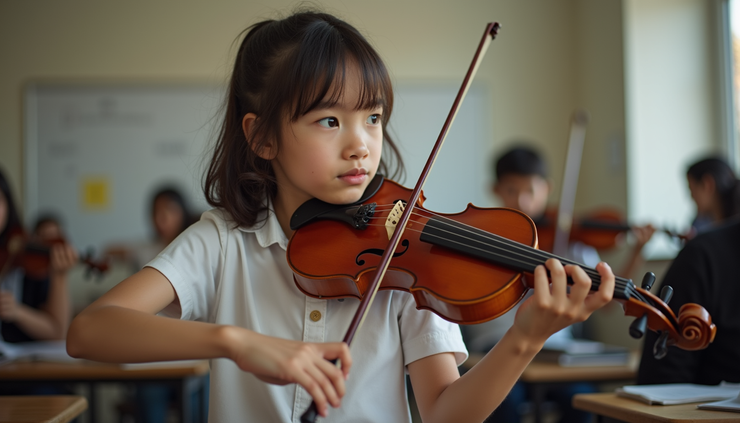
Music lessons often involve group activities such as ensembles, choirs, or bands. These settings provide excellent opportunities for children to develop music and social skills. Working with others requires listening carefully, communicating clearly, and cooperating to achieve a shared goal.
In the Tees Valley area, many schools and community groups offer ensemble opportunities where children from Stockton-on-Tees to Redcar & Cleveland can join others in making music together. These experiences help children build friendships and a sense of belonging.
Learning Resilience and Perseverance
Mastering an instrument or musical skill takes time and effort. Children learn resilience and perseverance as they face challenges like difficult pieces or performance nerves. The process of regular practice teaches discipline and the value of steady progress.
Parents often notice that children who take part in music lessons develop a stronger ability to cope with setbacks and keep trying. These qualities are essential for success in all areas of life.
The Lifelong Benefits of Music Participation
The benefits of music lessons extend well beyond childhood. Research shows that people who engage with music regularly enjoy improved memory, better emotional regulation, and enhanced social connections throughout life.
Involvement in music can become a lifelong source of joy and wellbeing. Whether your child continues playing an instrument, sings in a community choir, or simply enjoys listening and appreciating music, the skills and habits they develop now will serve them for years to come.
Local Opportunities in Tees Valley
Families in Stockton-on-Tees, Middlesbrough, Hartlepool, and Redcar & Cleveland have access to a rich variety of music education options. Schools often provide music lessons and ensembles, while local music centres offer group classes and individual tuition.
The Tees Valley Music Service plays a key role in supporting music education across the region. They provide resources, workshops, and performance opportunities that help children develop their musical skills and enjoy the many benefits of learning music.
Practical Advice for Parents and Carers
When encouraging your child to learn music, focus on their overall development rather than just musical achievement. The value lies in participation and enjoyment, not only in exams or performances.
Celebrate small milestones and encourage your child to explore different styles and instruments. This approach helps maintain motivation and fosters a lifelong love of music.
Expert Insight: Benefits of Learning Music
Experts agree that music education supports children in developing confidence, independence, communication skills, and a sense of belonging. According to educational psychologists, music lessons help children learn how to express themselves clearly and work collaboratively.
Music also offers a safe space for children to explore emotions and build resilience. These qualities contribute to healthy child development and prepare young people for the challenges of life.
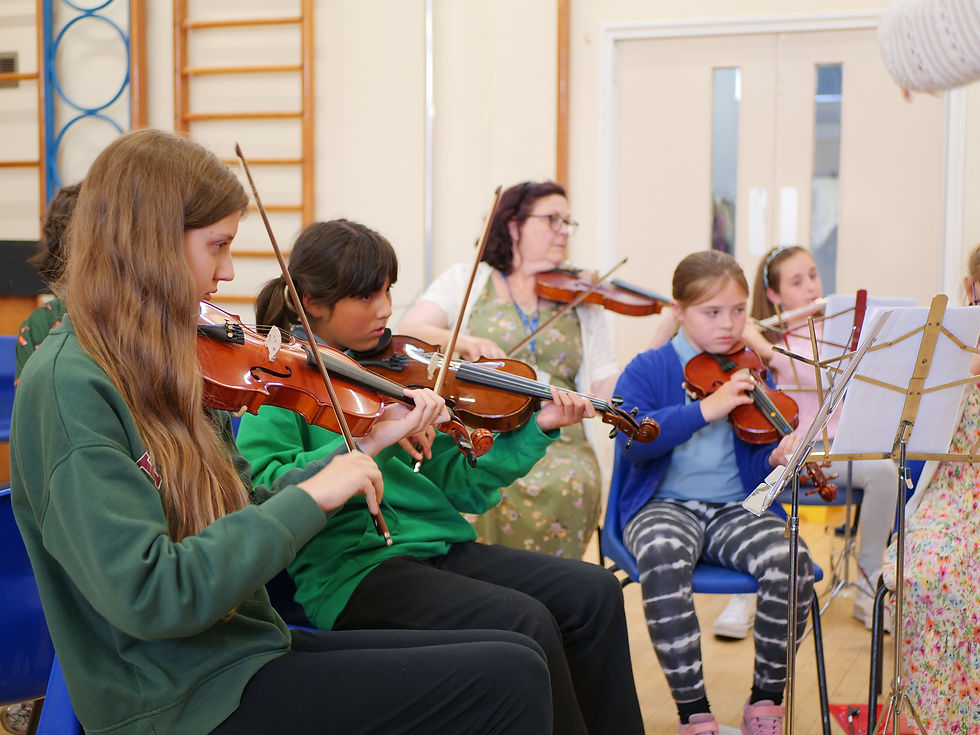
Young students practicing violin during a music lesson in Tees Valley
The benefits of learning music reach far beyond the notes on a page. They shape confident, creative, and resilient children who are better equipped for life’s challenges. By exploring local music opportunities in the Tees Valley, you can help your child enjoy these lifelong benefits.
Take time to discover what music lessons Tees Valley offers and find the right fit for your child’s interests and personality. The journey is as valuable as the destination.
Mini FAQ
Q: Does my child need to have musical talent to benefit from music lessons?
A: No. The benefits of music lessons come from participation and practice, not natural talent. Every child can gain confidence and skills through learning music.
Q: How can I support my child’s music learning at home?
A: Encourage regular practice, attend performances, and show interest in their progress. Celebrate effort and enjoyment rather than perfection.
Q: Are there affordable music lessons available locally?
A: Yes. Many schools and community centres in Stockton-on-Tees, Middlesbrough, Hartlepool, and Redcar & Cleveland offer subsidised or free music lessons through programmes like Tees Valley Music Service.


Comments