
Do Children Really Need Natural Talent to Succeed in Learning an Instrument?

Many parents wonder if children are born with the natural talent necessary to learn an instrument and be successful in music. You might have heard that some people are just "naturally gifted" and that others struggle no matter how hard they try. This belief can make you question whether your child can enjoy or progress in learning an instrument. The truth is, many successful musicians started as complete beginners, just like your child. With the right support and attitude, children from Stockton-on-Tees, Middlesbrough, Hartlepool, and Redcar & Cleveland can thrive in music without needing innate talent.
Quick Summary
Musical ability develops through learning and practice
Motivation and enjoyment often matter more than talent
Every child progresses at their own pace
Confidence grows with experience and encouragement

What Do People Mean by Natural Talent to Learn an Instrument?
When people talk about musical talent children have, they often mean an early ability to pick up rhythms, melodies, or perfect pitch. While some children may show an initial interest or aptitude, this is only one part of the picture. Musical talent is not a fixed trait but a combination of skills that develop over time. Listening, coordination, memory, and emotional connection to music all improve with practice. What seems like talent can often be the result of consistent effort and positive experiences.
Can Anyone Learn an Instrument?
The question can anyone learn an instrument is important for parents who worry their child might not be "good enough." The answer is yes. Learning an instrument is a skill, not a gift. Children in Tees Valley, including Stockton-on-Tees and Middlesbrough, have access to many opportunities through local providers like the Tees Valley Music Service. They offer music lessons for beginners that welcome children of all abilities. Whether your child is shy or confident, quick or slow to pick up new skills, there is a place for them to start and grow.
The Importance of Practice and Consistency
Progress in learning an instrument children depends more on regular practice than on natural ability. Even the most talented musicians spend hours practising scales, songs, and techniques. Setting aside small, consistent practice times helps build skills steadily. For example, 10-15 minutes daily can be more effective than long, irregular sessions. Encouraging your child to enjoy this routine helps them develop discipline and a sense of achievement.
Why Confidence Matters More Than Perfection
Many parents focus on whether their child is perfect or flawless in their playing. Instead, building music confidence children is key. Confidence encourages children to try new pieces, perform in front of others, and keep going even when things get tricky. Mistakes are part of learning, not a sign of failure. Praising effort and progress helps children feel proud and motivated. Over time, this confidence can lead to better skills and a lifelong love of music.
Supporting Your Child's Musical Development
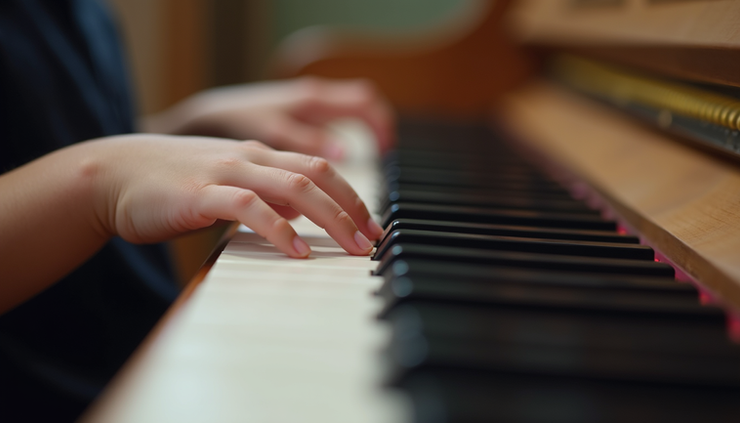
As a parent or carer, your support makes a big difference. Attend children's music lessons when possible, listen to your child’s practice, and celebrate their efforts. Avoid comparing your child to others, as every child’s musical journey is unique. Encourage curiosity by exploring different instruments or styles of music. Local music groups and events in Hartlepool and Redcar & Cleveland provide great chances for children to connect with peers and enjoy music together.
Local Context
Families in Stockton-on-Tees, Middlesbrough, Hartlepool, and Redcar & Cleveland benefit from the Tees Valley Music Service, which offers accessible music education children can enjoy. They provide tailored lessons for beginners and organise concerts and workshops that welcome all skill levels. This means your child can start learning an instrument in a friendly environment designed to build skills and confidence, no matter their starting point.
Practical Advice
Focus on your child’s effort and enjoyment, not just results
Celebrate small achievements like learning a new song or rhythm
Avoid comparing your child to siblings or friends
Encourage regular, short practice sessions
Attend local music events to inspire and motivate your child
Expert Insight: Talent vs Opportunity
Experts agree that access to quality teaching, encouragement, and regular participation often outweigh natural ability. A child with supportive teachers and a positive environment will usually progress faster than one with raw talent but little guidance. The key is creating opportunities for children to explore music in ways that suit their interests and pace. This approach helps build skills, confidence, and a lasting appreciation for music.
Enjoying Music Without Pressure
Remember, the goal of music lessons Tees Valley is not just to create professional musicians but to help children enjoy music and develop valuable skills. Whether your child wants to play for fun, join a school band, or perform on stage, the journey begins with curiosity and support.
Mini FAQ
Do children need talent for music to start lessons?
No, children do not need natural talent to begin. Enthusiasm and willingness to learn are more important.
How long does it take for a beginner musician to see progress?
Progress varies, but many children notice improvement within a few weeks of regular practice.
Can shy children succeed in music?
Yes, music can boost confidence and provide a safe space for shy children to express themselves.
Where can I find music lessons for beginners in Tees Valley?
The Tees Valley Music Service offers lessons and opportunities for children of all abilities.


Comments